
Bitumen Driveways
Spray-seal and two-coat bitumen driveways for homes, farms and long rural access roads across the Hunter Valley — a cost-effective, hard-wearing alternative to hot-mix asphalt.
Learn More →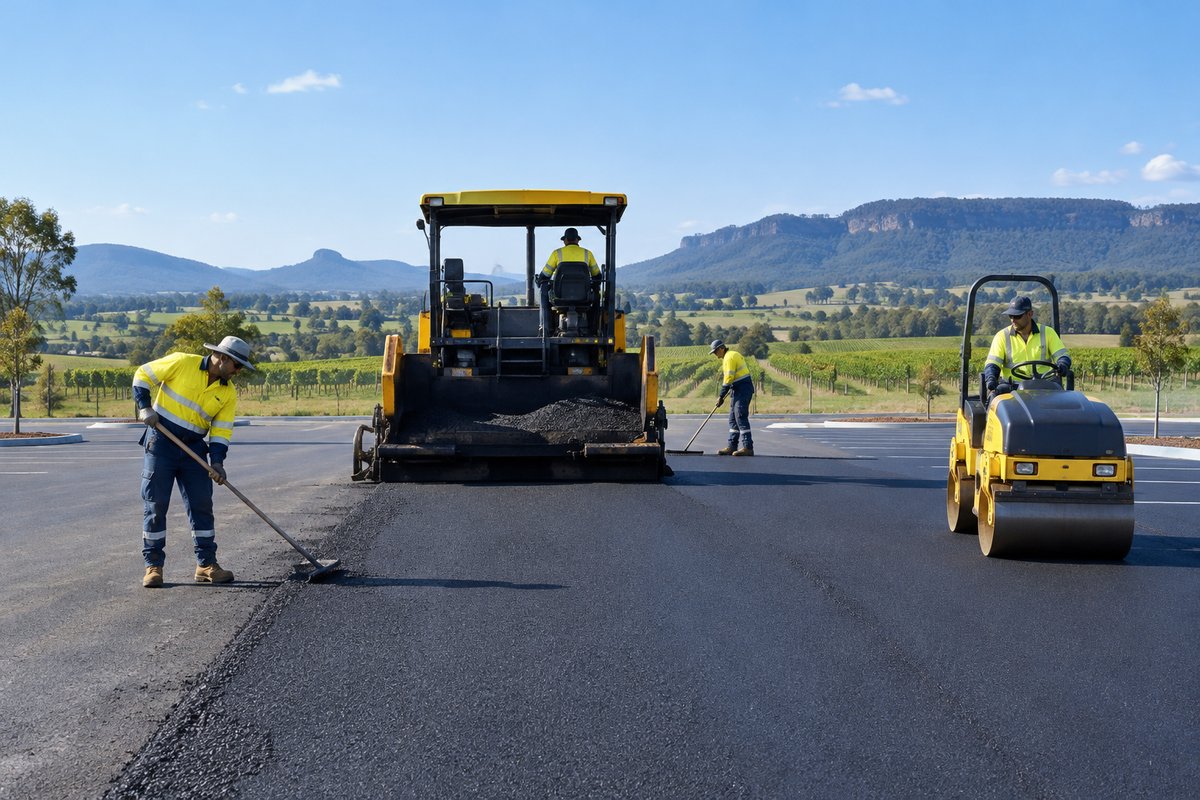
Asphalt car parks, hardstands and commercial paving for wineries, cellar doors, venues, shops, warehouses and industrial sites.
Request a Free Quote
A gravel car park works fine until the first wet weekend. After that, guests at your cellar door are stepping around puddles, delivery trucks leave ruts by the loading bay, and every dry, windy day throws dust over parked cars and outdoor tables. We build sealed car parks and commercial pavements in the Hunter Valley using dense-graded hot mix asphalt laid with a self-propelled paver and compacted with steel drum and multi-tyred rollers. The result is a firm, even surface that handles cars, coaches and service vehicles without breaking up.
Most car park failures start underneath the asphalt. Much of the Hunter sits on reactive clay that swells when wet and shrinks and cracks in the dry heat, and that movement shows up quickly in a poorly built pavement. We dig out soft or unsuitable material, lay geotextile where the subgrade needs it, and build up a compacted crushed rock base before any asphalt goes down. We also shape the falls and crossfall so heavy summer storms run off to kerbs, spoon drains or stormwater pits instead of pooling in parking bays and softening the base.
Once the asphalt is down, we can set out bays, arrows, pedestrian walkways and accessible parking with our line marking service. If you already have a sealed car park that is cracking, potholing or fretting at the edges, it may not need a full rebuild. Our asphalt resurfacing and repairs team can assess whether patching, a mill and overlay, or a fresh wearing course makes more sense for your site and budget.
From subgrade to line marking, every layer is built to handle the traffic and the weather
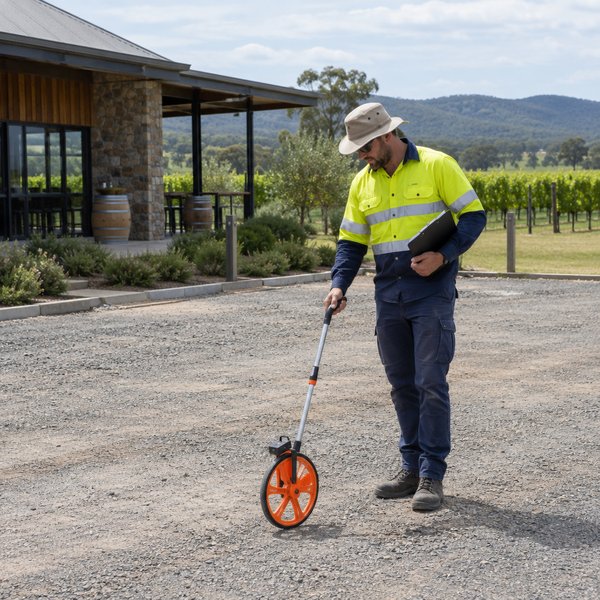
We walk the site with you to look at traffic types, soil conditions, existing drainage and where water goes in a storm. From there we work out base depth, asphalt thickness and falls to suit how the car park will actually be used, whether that is weekend visitors or daily truck deliveries.
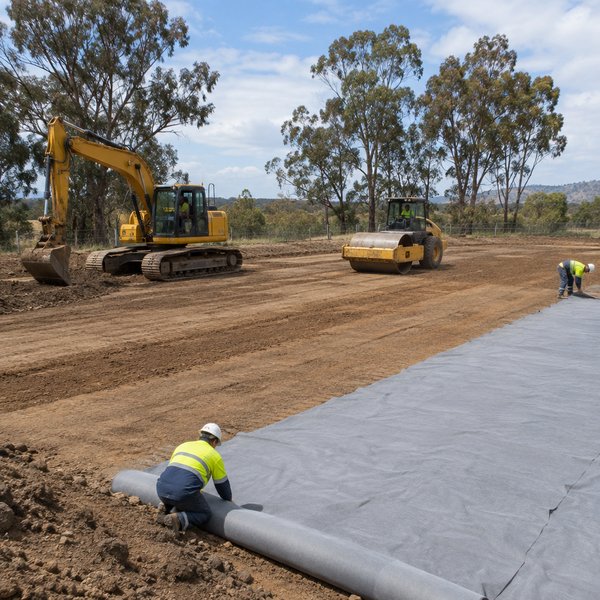
Excavators and loaders strip existing gravel, topsoil and soft clay down to firm ground. We trim the subgrade to level, proof roll it to find weak spots and lay geotextile fabric where the ground needs extra separation and support.
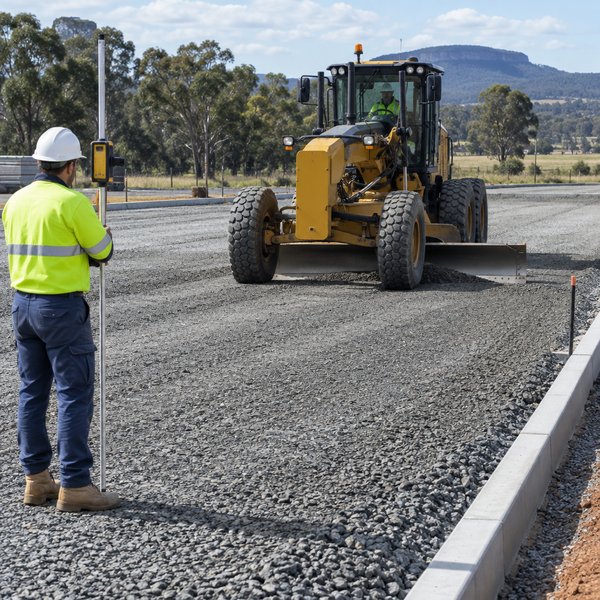
Crushed rock base is spread in layers, watered and compacted with vibrating rollers until it is tight and stable. We grade the surface to the designed falls and set kerb lines, spoon drains or pit connections so stormwater has somewhere to go.
A bitumen emulsion tack coat goes down first, then the paver lays hot mix asphalt at an even thickness. Rollers compact it while it is still at working temperature, edges and joints are finished by hand, and once it has cooled we can mark out bays and traffic flow.
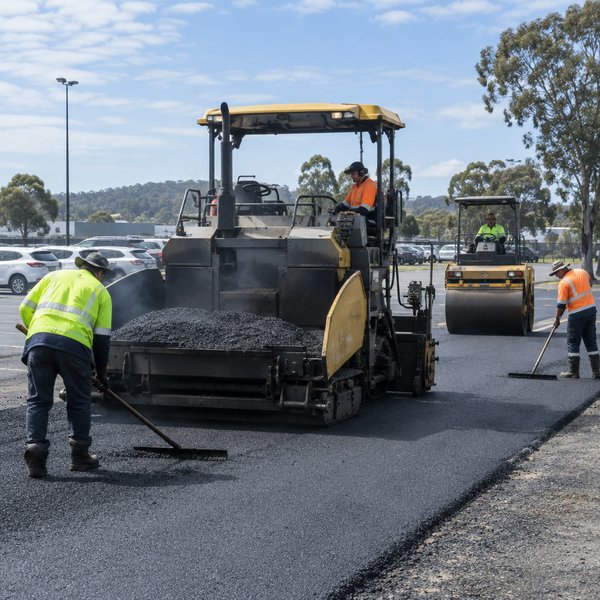
Less dust, less mud and less maintenance for wineries, venues and local businesses
A sealed car park stops dust drifting onto cars, outdoor dining areas and cellar door decks in dry weather. When storms roll through, water runs off to your drains instead of turning bays into mud and gouging out the gravel.
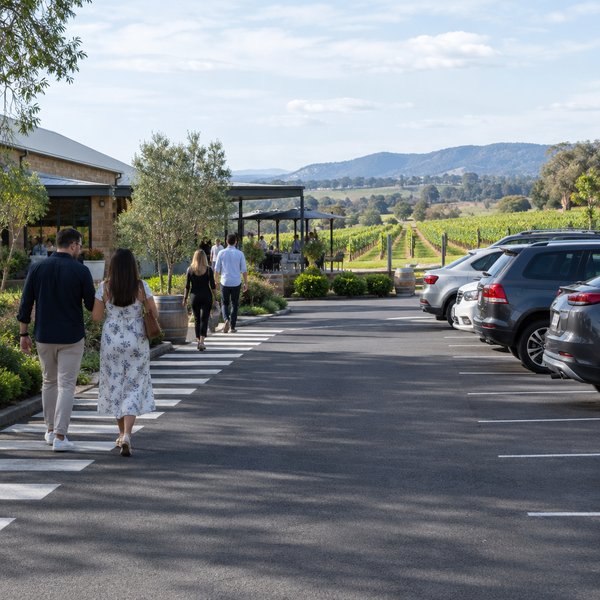
Coaches, delivery trucks and waste collection vehicles put real strain on a pavement, especially where they turn. A properly built base and asphalt layer spreads those loads so you are not regrading ruts and filling potholes every few months.
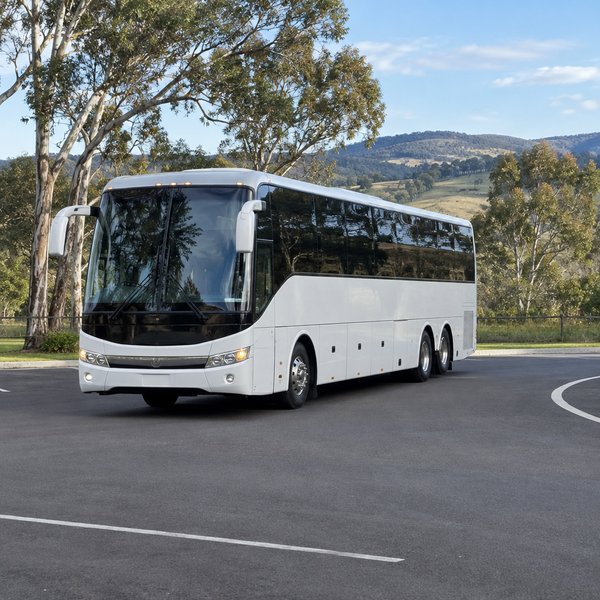
An even surface with marked bays, arrows and walkways makes it obvious where to park and where to walk. That reduces trip hazards, keeps traffic moving at busy times and gives visitors a better first impression of your business.
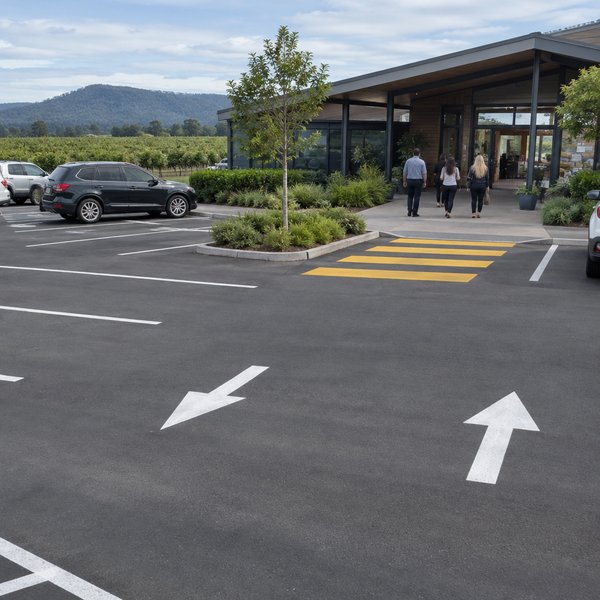
Reactive clay is one of the biggest causes of cracked and heaving pavements in the region. We check the subgrade on every job and dig out, stabilise or reinforce it before we build the base, rather than hoping the asphalt will hide it.
Hunter storms can drop a lot of water in a short time, and pooling water is what softens bases and breaks up asphalt. We set falls, kerbs and pit connections so your car park sheds water fast and stays firm.
Cellar doors, wedding venues and event sites deal with tour coaches, function crowds and catering trucks, often all at once. We design pavement thickness and turning areas around that mix of traffic and can stage works around your bookings.
We handle excavation, basecourse, asphalt and line marking ourselves, so there is no waiting between trades or arguing over who is responsible. If your access road needs sealing too, we can quote that at the same time.
Common questions answered
The main factors are the size of the area, how much excavation and base material the ground needs, and the type of traffic you expect. Sites on soft or reactive clay, or ones that need new kerbs and stormwater pits, take more work than a firm, well-drained block. We give you a written quote after looking at the site so you know exactly what is included.
That depends on the size of the job, the condition of the existing ground and the weather while we work. For wineries, venues and shops that need to keep trading, we can often stage the work in sections so part of the car park stays open. We talk through the timing and staging with you before we start.
For car parks with a lot of turning, braking and heavy vehicles, asphalt is usually the stronger choice because it resists scuffing and stone loss in tight turning areas. Spray seal can suit long, straight access roads with lighter traffic. We often combine the two, using asphalt in the car park and a bitumen spray seal on the approach road where it makes sense.
Sometimes the existing gravel can be reworked and used as part of the base, but only if it is well compacted, drains properly and sits on stable ground. If it has been rutting, pooling or pumping up mud after rain, the base usually needs to be dug out and rebuilt first. Sealing over a weak base just moves the problem into the asphalt.
Keep drains, pits and spoon drains clear of leaves and silt so water does not sit on the surface. Fix small cracks and potholes early, because water getting into the base is what turns minor damage into major repairs. Line marking will also need refreshing over time as traffic wears it down.
We provide Car Parks & Commercial Asphalt throughout the Hunter Valley, NSW and surrounding suburbs.
Don't see your area? Contact us to check if we service your location!
View All Areas